
A Happy, Healthy Puppy—Until Suddenly Not
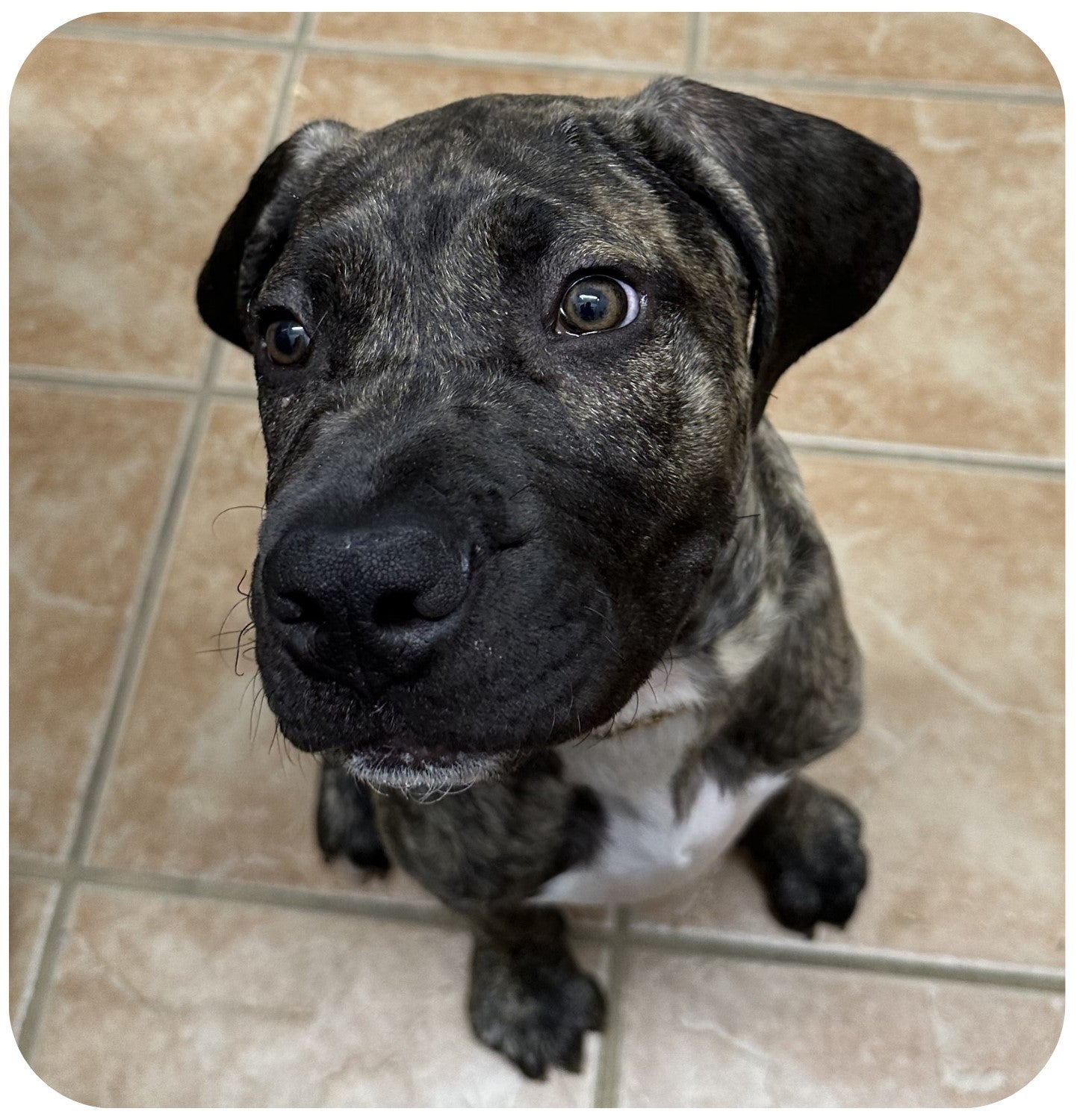 Polo is a playful, energetic Cane Corso puppy—exactly what you would expect from a 13-week-old dog. Like many puppies, he was full of curiosity and constantly exploring his environment. Unfortunately, that curiosity led to a situation that could have quickly become life-threatening.
Polo’s owners brought him to our clinic after noticing that he had started vomiting overnight and was no longer interested in eating. By the morning, he had become noticeably more lethargic. These sudden changes in behavior are often the first warning signs that something more serious may be happening, especially in young dogs.
The Clue: Something Wasn’t Right
On physical examination, Polo was quiet but responsive. When we palpated his abdomen, however, we identified something concerning—there was extreme discomfort, along with a firm structure in the front part of his abdomen that shouldn’t have been there.
Given his symptoms and exam findings, a gastrointestinal foreign body quickly rose to the top of our list of concerns.
Confirming the Diagnosis
Radiographs (X-rays) confirmed our suspicion. Polo’s small intestines appeared abnormal, with changes consistent with an obstruction.
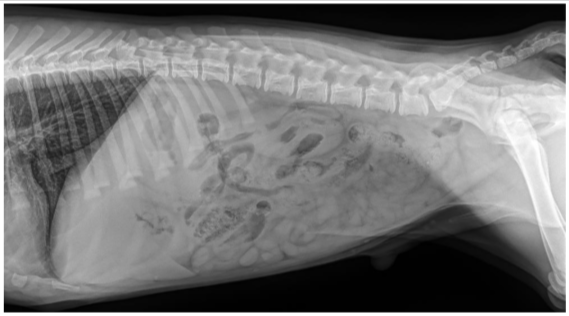
At this point, time becomes a critical factor. When something is lodged in the intestines, it can cut off blood supply to the affected area, leading to tissue death, rupture, and severe infection. Because of these risks, we recommended immediate surgery.
Surgery: Finding and Fixing the Problem
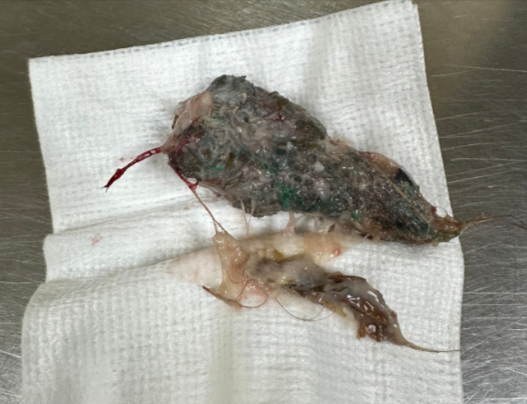
During surgery, we explored Polo’s abdomen and carefully examined his gastrointestinal tract. We found the obstruction located near the junction of the duodenum and jejunum, an early portion of the small intestine. The surrounding tissue was moderately inflamed, indicating that the obstruction had already begun to affect the intestine.
An enterotomy—a small incision into the intestine—was performed to remove the object. Once the foreign material was removed, we observed something very encouraging: the intestine began to regain normal color and movement, suggesting that the tissue was still viable.
The incision was then carefully closed and tested to ensure there was no leakage, and the rest of the gastrointestinal tract was examined thoroughly to confirm there were no additional obstructions.
Recovery: A Best-Case Outcome
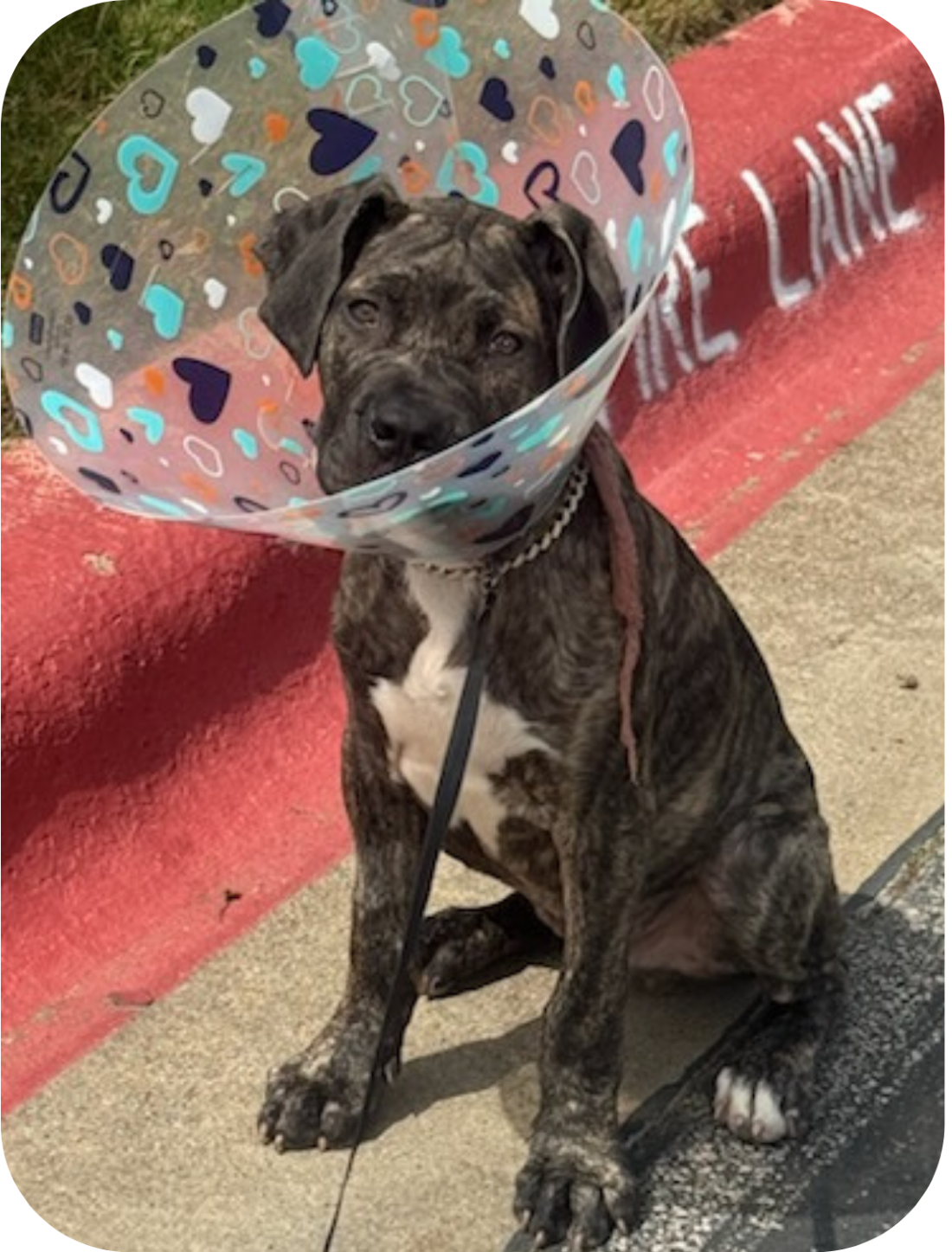
Polo recovered smoothly from anesthesia and remained hospitalized for monitoring and supportive care. Over the next couple of days, he began eating well, maintained normal hydration, and showed no signs of continued vomiting.
By the time he went home, he was already acting much more like himself. At his follow-up visit, he had made a full recovery with no complications.
Why Foreign Bodies Are So Dangerous
Cases like Polo’s highlight just how quickly a simple situation can become serious. Dogs and especially puppies explore the world with their mouths, and it’s not uncommon for them to swallow objects that aren’t meant to be ingested.
When these objects become lodged in the intestines, they can prevent normal digestion and cause significant damage. If left untreated, this can lead to intestinal rupture, widespread infection, and even death.
Understanding the Risks of Surgery
Even with prompt treatment, surgery for intestinal foreign bodies is not without risk. Complications can include infection, delayed healing, or breakdown of the intestinal incision, which can allow intestinal contents to leak into the abdomen.
These risks are exactly why early diagnosis and intervention are so important—patients treated sooner tend to have much better outcomes, as Polo did.
Signs to Watch for at Home
For pet owners, recognizing the early signs of a potential obstruction can make all the difference. Repeated vomiting, refusal to eat, lethargy, abdominal discomfort, or changes in bowel movements should never be ignored.
In Polo’s case, his symptoms had only been present since the night before, and that quick response likely played a major role in his successful outcome.
Prevention Tips for Pet Owners
Prevention is always the best approach when it comes to foreign bodies. Keeping small or chewable objects out of reach, supervising playtime, and providing appropriate, durable toys can significantly reduce the risk.
Puppies, in particular, require close monitoring as they learn what is—and isn’t—safe to chew.
Polo’s Takeaway
Polo’s story has a happy ending. Thanks to attentive owners and timely medical care, he was able to make a full recovery and return to being a healthy, growing puppy.
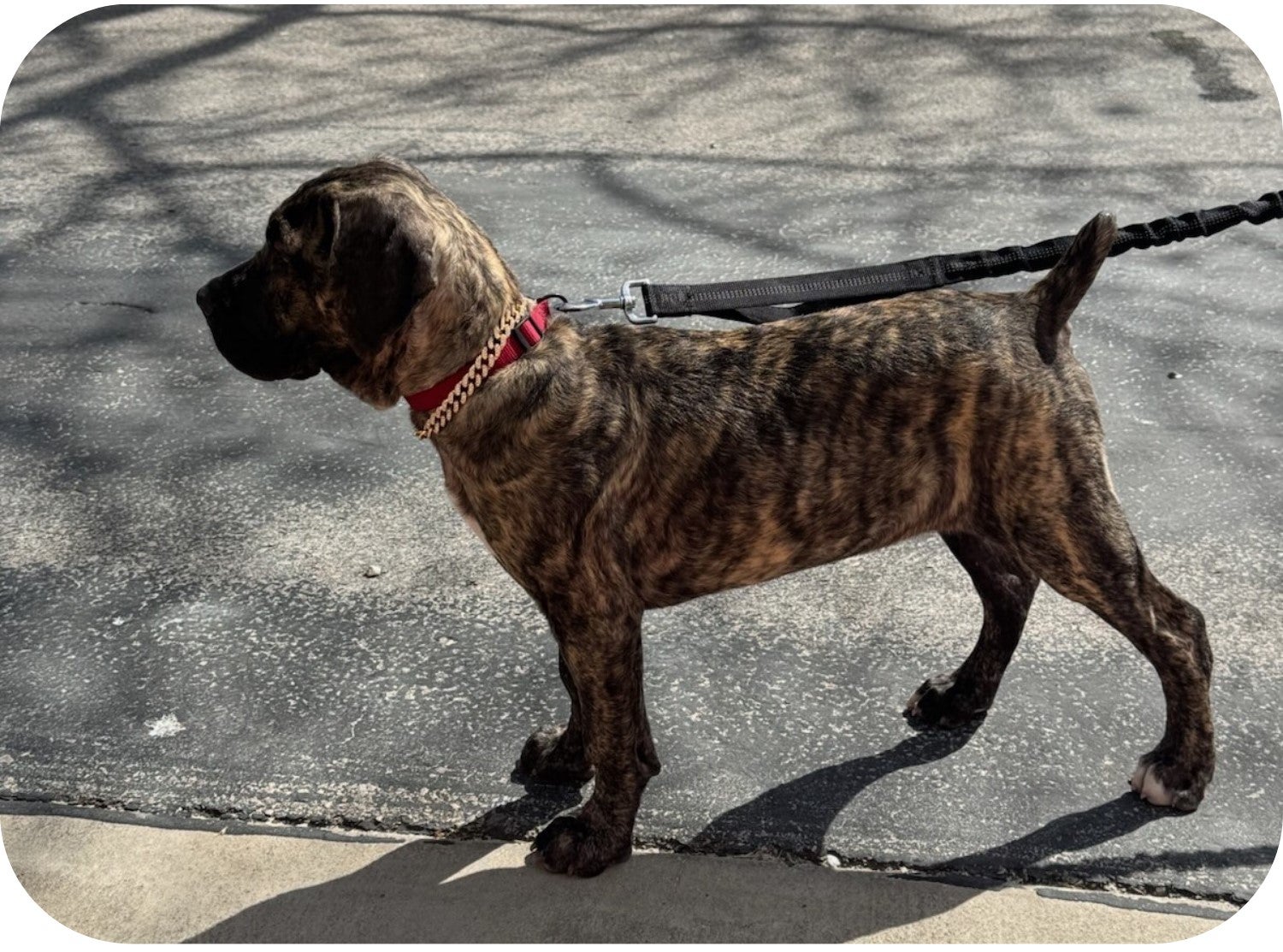
His case serves as a reminder of both the risks of foreign body ingestion and the importance of acting quickly when something doesn’t seem right.
If your pet is vomiting, refusing food, acting painful or lethargic, or you suspect they may have swallowed something they shouldn’t have, don’t wait to seek veterinary care. Early evaluation can make all the difference.
If you have concerns about your pet or questions about foreign body ingestion, call us at (254) 935-3693. Our team is here to help keep your pet happy, healthy, and safe.