
We are pleased to share that Dr. Brongo now offers veterinary acupuncture as part of our integrative care services here at Belton Vet Clinic.
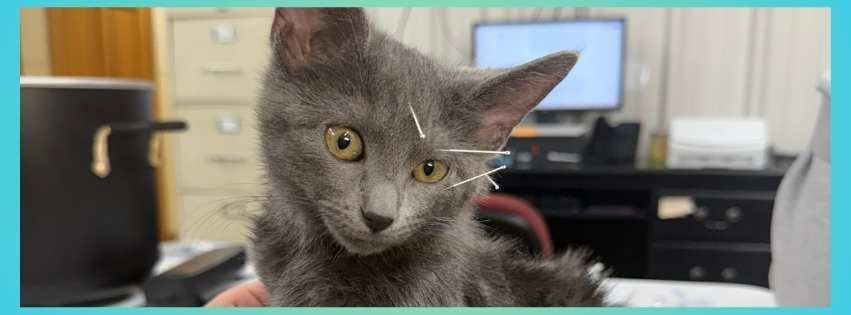
Acupuncture can be a valuable complementary therapy to support pets experiencing pain, mobility concerns, neurologic conditions, arthritis, post-surgical recovery, and other acute and chronic health issues.
Veterinary Acupuncture: A Holistic and Science-Supported Path to Healing
At Belton Veterinary Clinic, we are proud to offer Traditional Chinese Veterinary Medicine (TCVM) acupuncture for dogs, cats, horses, and food-producing animals. Acupuncture is one of the oldest medical therapies in the world— and today, it is also supported by modern scientific research. Whether used alone or in combination with Western medicine, acupuncture can enhance healing, reduce pain, and restore balance for animals of all ages.
What Is Veterinary Acupuncture?
TCVM / Eastern Medicine Perspective:
According to Traditional Chinese Veterinary Medicine, the body’s health is governed by the smooth flow of Qi, the vital life force that moves through pathways called meridians. Illness occurs when Qi becomes blocked, stagnated, or deficient. Acupuncture uses very fine, sterile needles to stimulate specific points along these meridians, helping to restore the normal flow of Qi.
Western Medical Perspective:
Modern scientific studies show that acupuncture stimulates the nervous system, releases endorphins, improves circulation, reduces inflammation, and promotes muscle relaxation and tissue healing.
Benefits of Acupuncture
Reduces pain, decreases inflammation, improves mobility, enhances circulation, supports healing, complements Western medicine, and promotes whole-body wellness.
Who Can Benefit?
Acupuncture can safely be used for dogs, cats, small mammals, horses, and food animals. It is beneficial for animals who cannot tolerate certain medications, have chronic disease, need recovery support, or benefit from a holistic approach to wellness.
Conditions Acupuncture Can Help Treat
- Musculoskeletal & Pain Conditions (e.g. arthritis, hip dysplasia, IVDD, muscle strains, back pain, lameness)
- Neurologic Disorders (e.g. paralysis, nerve injury, degenerative myelopathy)
- Gastrointestinal Issues (e.g. diarrhea, vomiting, constipation, IBD, post-op motility slowdown)
- Dermatologic Problems (e.g. allergies, chronic itching, non-healing wounds)
- Reproductive & Endocrine Issues (e.g. infertility)
- Respiratory Diseases (e.g. asthma, heaves)
- General Wellness & Senior Support
Acupuncture for Dogs, Cats, and Small Mammals
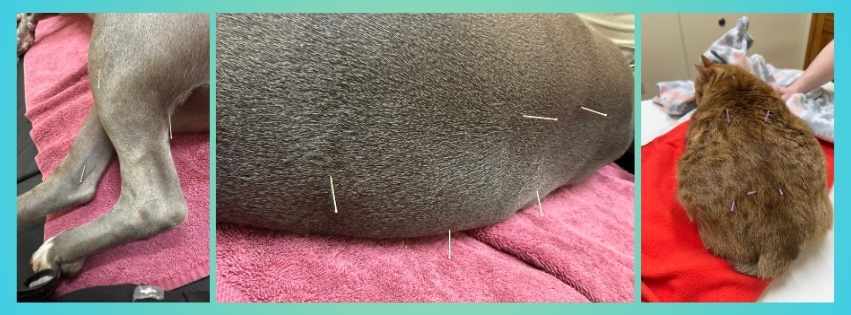
Small animals tolerate acupuncture exceptionally well. It is commonly used for pain, mobility problems, chronic internal diseases, post-operative healing, and senior comfort care.
Equine Acupuncture
Horses benefit from acupuncture for performance issues, muscle soreness, lameness, back pain, GI motility, and respiratory performance.
Food Animal Acupuncture
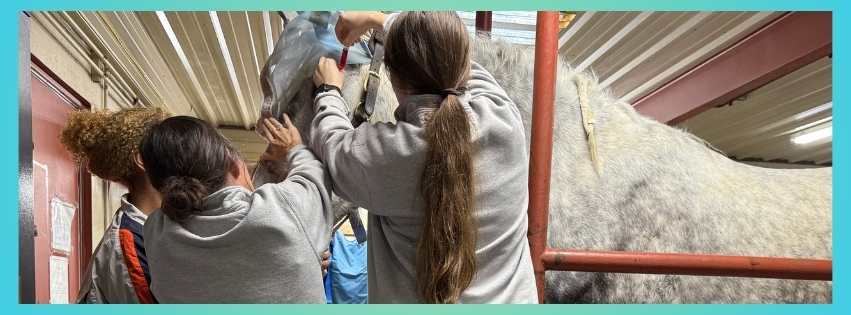
Acupuncture is safe and effective for cattle, sheep, goats, llamas, alpacas, and pigs. It is useful for lameness, reproductive issues, GI disorders, and pain control where drug withdrawal times matter.
Types of Acupuncture We Offer
- Dry Needling
- Electroacupuncture: electrical stimulation for neurologic disease, severe pain, muscle atrophy • Aquapuncture (B12): small injections for longer-lasting point stimulation
The Acupuncture Exam:
Upon inquiry to schedule an acupuncture exam, you will be emailed a questionnaire regarding your animal. This will include many questions that may seem odd but can help give us an overall look into who your pet is and tailor treatment more specifically to them. The first consultation is 60 minutes and includes a complete TCVM exam, further history taking based on the questionnaire, and the first acupuncture session. Follow-up acupuncture sessions are normally 30 minutes long.
Treatment Frequency
The frequency of acupuncture treatments is variable and dependent on the condition we are treating and the response from the patient. Some animals respond faster than others, and some animals, like those with more chronic conditions, will require maintenance treatments for continued positive response. For most conditions, we are starting with weekly acupuncture sessions, and can extend the time between sessions as your pet improves or the condition resolves.
Common Side Effects
Mild soreness, fatigue, temporary symptom flare, rare bruising.
Experience Whole-Body Healing for Your Animal!
Schedule a consultation today to see how TCVM acupuncture can help your dog, cat, horse, or livestock thrive.
Disclaimer: Acupuncture is not a first-line treatment in cases of emergency or life-threatening issues in animals. If your animal is having an emergency or life-threatening problem, please contact your veterinarian.
Downloadable Forms
**Both of these forms need to be returned before the appointment**
Please email the forms to info@beltonvetclinic.com (ATTN: Dr. Brongo) or print and return them to the clinic before the appointment.

Is acupuncture painful for pets?
Most pets tolerate acupuncture very well. The needles used are extremely thin and flexible, so insertion is usually painless or only felt as mild sensation. May pets, especially dogs and cats, become relaxed or even sleepy during the treatment. If your pet does not tolerate the acupuncture needles, we can use laser therapy on specific acupuncture points with similar effect.
Can acupuncture be used in combination with other treatments for my pet?
Yes, acupuncture is commonly used as complementary therapy alongside medications, physical rehabilitation, surgery, and other treatments. It can help improve comfort while support your pet's overall treatment plan
What pets are good candidates for acupuncture?
Many pets can benefit from acupuncture, especially those with chronic pain, arthritis, neurologic conditions (such as intervertebral disc disease), mobility issues, muscle injuries, gastrointestinal problems, or age-related conditions. It may also help improve overall comfort and quality of life in both otherwise healthy pets and those with chronic conditions.
Are there any pets who should not receive acupuncture treatments?
Most pets are safe candidates, but acupuncture may be avoided or treatment modified in certain cases, such as animals with bleeding disorders, skin infections at sites of potential needle insertion, or extreme stress with handling. During the appointment, we will evaluate how best to treat your pet and if any modifications, like pre-visit anxiety medications, are needed.
Are there any risks or negative side effects of canine acupuncture that owners should know about?
Side effects are uncommon and usually mild. Occasionally, pets may experience temporary soreness, mild fatigue, or a brief worsening of symptoms before they improve. Serious complications are rare when acupuncture is performed by a trained veterinarian.
What should I do if my pet is anxious about acupuncture treatments?
Let your veterinary team know if your pet tends to be nervous. We can help your pet acclimate to the environment, use gentle handling techniques, and potentially even change treatment techniques. Many anxious dogs and cats relax once treatment begins. If your pet continues to be nervous, we can discuss using certain medications pre-visit to help them relax.
Are there any home care or follow-up instructions after an acupuncture session?
Most pets can return to their normal routine after treatment. Some may be slightly tired or extra relaxed for the rest of the day. Depending on the reason for acupuncture, we may have more specific instructions. It is important to monitor your pet's comfort and mobility, as well as for any signs of improvement or worsening of the condition we are treating and to update us if any adverse effects are noted.
How should I prepare my pet for an acupuncture session?
There is nothing specific you need to do for your pet prior to a visit. If they are anxious at the vet, it may be beneficial to reach out to your vet about pre-visit medications to help decrease their stress levels while they are in-clinic. Aside from filling out the consent form and questionnaire, you can bring their favorite blanket or some treats to help them be more comfortable during their visit.
If you have any additional questions, feel free to call us at (254) 935-3693. We're here to help and will get back to you as quickly as possible.