
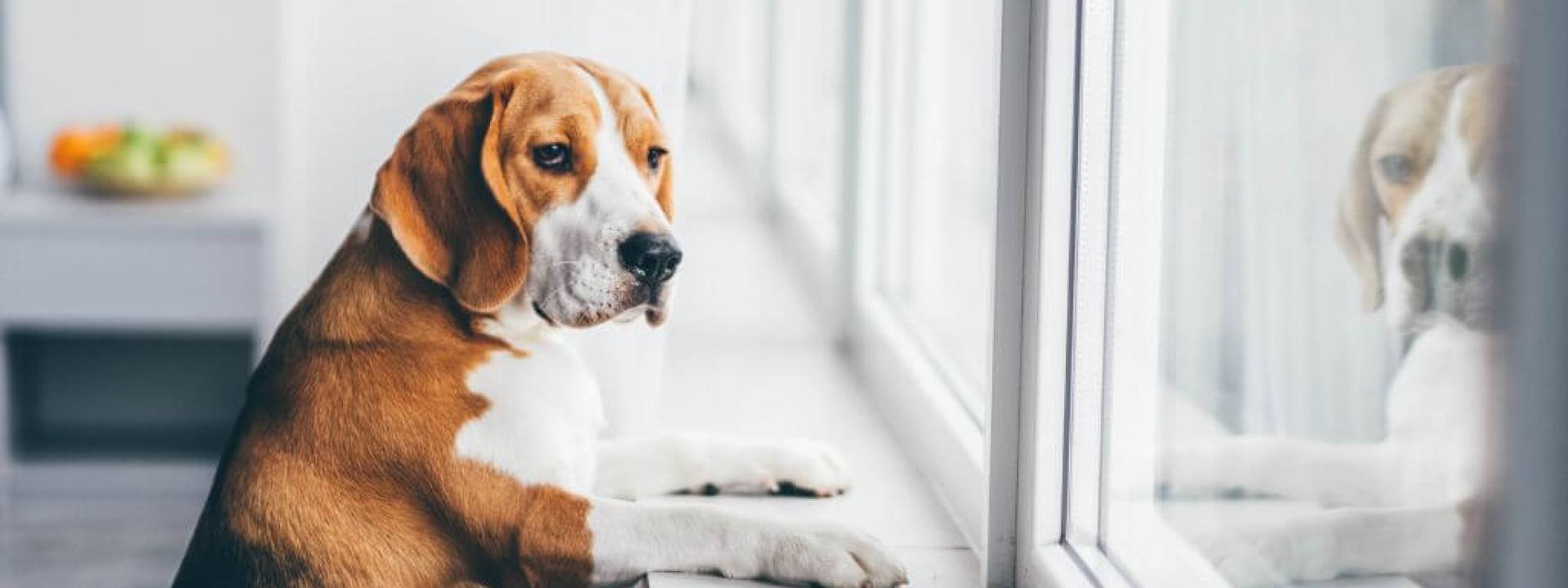
Separation anxiety in dogs is more than “bad behavior” or acting out while you're away. A dog with separation anxiety is showing distress when left alone, and that distress can show up as barking, pacing, destructive chewing, house-soiling, drooling, or frantic attempts to escape. For many families, it is frustrating and heartbreaking at the same time. The good news is that dog separation anxiety can often improve with a thoughtful plan, patience, and support from your veterinarian.
If you are wondering how to help a dog with separation anxiety, it helps to start with one important mindset shift: your dog is not being spiteful or stubborn. This is a behavior problem rooted in fear or panic, which means treatment should focus on reducing distress and teaching your dog to feel safer when alone. Reward-based behavior plans are considered the most appropriate approach for anxiety-related problems.
What Separation Anxiety in Dogs Can Look Like at Home
Dog separation anxiety does not look the same in every pet. Some dogs become distressed the moment they notice pre-departure cues, such as putting on shoes, grabbing keys, or picking up a work bag. Others may settle for a few minutes and then begin vocalizing, pacing, scratching at doors, or chewing household items. In some cases, accidents in the house happen even in a dog that is otherwise reliably housetrained.
These behaviors usually happen during absence or attempted separation rather than at random times of day. That pattern matters. A dog who chews when bored, reacts to outdoor noises, or struggles with confinement may need a different plan than a dog whose distress is specifically tied to being left alone. Video recordings from a phone, pet camera, or home monitor can be very helpful because they show what your dog is doing when no one is home.
Why a Dog May Develop Separation Anxiety
There is not always a single cause. Separation anxiety in dogs can be linked to changes in routine, changes in the household, rehoming, previous stress, limited independence training, or other anxiety issues. Some dogs seem to struggle after a move, a schedule change, a family member returning to work, or the loss of a person or another pet in the home.
It is also important to remember that medical problems can sometimes contribute to changes in behavior. Pain, cognitive changes in senior dogs, urinary issues, gastrointestinal disease, and other health concerns can blur the picture and make symptoms of a medical condition seem like anxiety or bad behavior. That is one reason a veterinary visit is so important, especially if the behavior is new, severe, or getting worse.
How to Help a Dog With Separation Anxiety Safely
The foundation of treatment for separation anxiety is gradual behavior change. In practical terms, that means teaching your dog that alone time is safe by working in small, manageable steps rather than forcing long absences and hoping your dog adjusts. Very short departures, calm routines, and predictable patterns are often more helpful than dramatic “goodbye” rituals or sudden changes.
Daily exercise, food puzzles, sniffing activities, and short training sessions may help lower overall arousal for some dogs, but these steps are usually supportive rather than curative by themselves. A dog with true separation anxiety often needs a more targeted plan that includes desensitization to being alone and careful management of triggers. Your veterinarian may also recommend a trainer or veterinary behavior professional to help build a step-by-step program that caters to your dog's unique needs.
A few of the ways you can help a dog with separation anxiety include:
- Keep departures and arrivals calm and low-key.
- Practice very short absences your dog can handle without panic, then increase time gradually.
- Use food toys or enrichment only if your dog is relaxed enough to enjoy them when you leave.
- Build predictable routines around exercise, rest, feeding, and alone-time practice.
- Contact your veterinarian if your dog injures itself, cannot settle, or shows severe distress.
Should You Use a Crate?
This is where many well-meaning plans go off track. A crate helps some dogs feel secure, but it is not the right answer for every dog with separation anxiety. In fact, some dogs become more distressed when confined and may panic, drool, soil, vocalize, or even injure themselves trying to escape. If your dog seems calmer when loose in a safe room or behind a gate, that observation is important.
In other words, containment should be individualized. The goal is not to force your dog to “tough it out.” The goal is to create the safest, least stressful setup possible while treatment is underway. For some dogs, that may be a crate. For others, it may be a gated kitchen, laundry room, or another dog-safe area.
What Not to Do With Dog Separation Anxiety
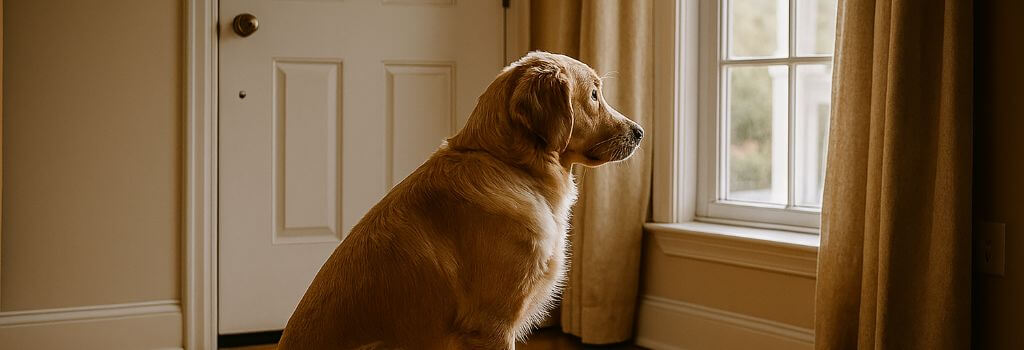
Punishment is not an effective treatment for separation anxiety in dogs. Scolding your dog after coming home to chewed trim, scratched doors, or an accident in the house does not teach calm independence. It may increase fear and confusion, especially because your dog is reacting to distress that already happened while you were gone.
It is also wise to avoid rushing the process. Leaving a dog with separation anxiety alone for longer than it can handle can set progress back. The same is true for assuming every anxious dog simply needs more discipline, more crate time, or more “pack leadership.” Current behavior guidance supports reward-based training, environmental management, and, in some cases, medication prescribed by a veterinarian as part of a larger treatment plan.
When to Call Your Veterinarian
You do not need to wait until the problem feels extreme. Early support from your veterinarian can make treatment more manageable and may help prevent the behavior from becoming more deeply established. Reach out if your dog barks for long periods, destroys doors or windows, has repeated accidents only when left alone, stops eating when you leave, or appears frantic during departures.
Some dogs benefit from behavior medications used alongside training and management, particularly when panic is severe or progress is limited. Medication is not a shortcut, and it is not needed for every case, but it can be an appropriate part of treatment for some dogs. Your veterinarian can rule out medical causes, discuss safety, and help you decide whether referral to a qualified trainer or veterinary behavior specialist is the next best step.
Helping Your Dog Feel More Confident Over Time
Living with a dog with separation anxiety can be exhausting, but improvement is possible. The most effective plans usually focus on reducing panic, preventing setbacks, and moving at the dog’s pace. Small wins matter. A dog that stays relaxed for five minutes today may be able to handle longer absences with steady practice and the right support.
Most of all, try to view the behavior through a medical and emotional lens rather than a moral one. Separation anxiety in dogs is not a sign that your dog is trying to be difficult. It is a sign that your dog is struggling. When treatment is built around safety, consistency, and reward-based learning, many dogs can become more comfortable and confident when home alone.
If you have questions, we would love to answer them for you. Please give us a call at the office at (254) 935-3693, or you can email us at info@beltonvetclinic.com. Our staff would love to talk with you!
Don't forget to follow us on social media Facebook, Instagram.